
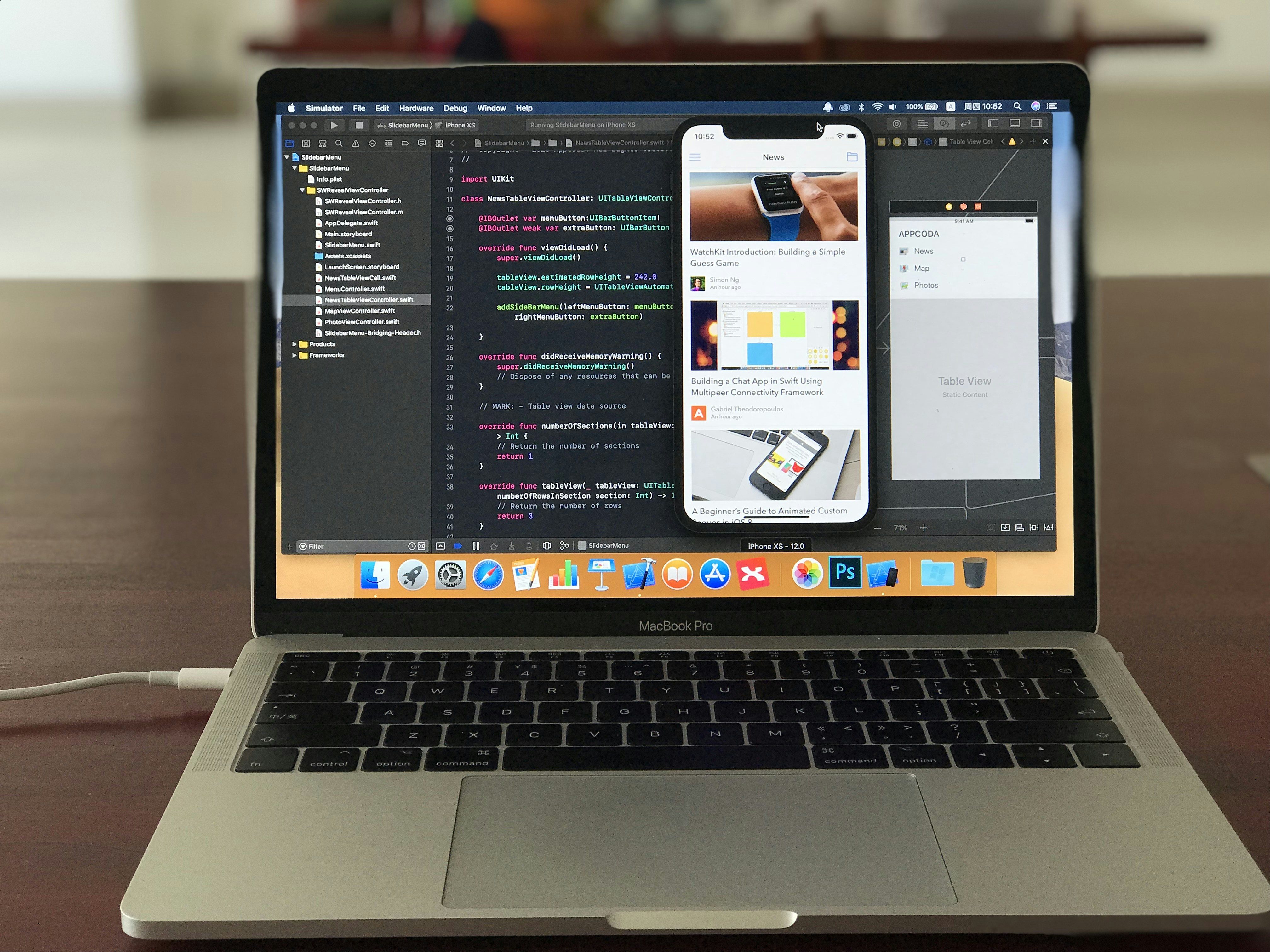
Introduction to iOS App Development
The field of iOS app development has grown exponentially in recent years, emerging as a crucial element of the technology landscape. As mobile devices, particularly iPhones and iPads, become increasingly integral to both personal and professional lives, the demand for innovative applications continues to rise. iOS development involves the process of creating software applications specifically designed to run on Apple’s operating systems, including iOS and iPadOS. This focus on a unique ecosystem is one of the primary distinguishing features of iOS development compared to other platforms, such as Android.
The significance of iOS app development cannot be overstated. With a user base of millions, iOS apps provide substantial business potential. Developers can tap into a lucrative market, as users on the iOS platform are generally more inclined to spend on apps and in-app purchases. This inclination presents a thriving opportunity for businesses and individual developers alike to capitalize on the growing demand for quality applications.
While there are similarities between iOS and Android app development, key differences exist that developers must navigate. For instance, iOS development typically harnesses Apple’s proprietary programming languages, namely Swift and Objective-C. The platform is also characterized by a strict app review process, which can present challenges but ultimately results in a high-quality user experience. This stringent verification process differs from the more flexible approach seen in Android. Additionally, the design guidelines for iOS applications, such as Human Interface Guidelines, ensure a cohesive look and feel, setting high standards for user interaction on Apple devices.
In summary, iOS app development is a dynamic and promising field that offers significant business opportunities. By understanding its unique characteristics and significance within the broader tech landscape, developers can position themselves effectively for future success in creating applications tailored for Apple’s users.
Essential Tools and Technologies
When embarking on the journey of iOS app development, understanding the essential tools and technologies is crucial for success. At the forefront is Xcode, Apple’s integrated development environment (IDE), which provides developers with a comprehensive suite of utilities to create, debug, and deploy applications. Xcode features a powerful code editor, interface builder, and simulator, enabling seamless development of iOS apps across various devices.
Another primary component in iOS development is the Swift programming language. Introduced by Apple in 2014, Swift has rapidly gained popularity due to its modern syntax, safety features, and performance. With its focus on readability and maintainability, Swift allows developers to write clean, efficient code, making it the preferred language for creating robust iOS applications.
In addition to Xcode and Swift, developers often utilize frameworks that enhance the functionality of iOS apps. UIKit, the cornerstone framework for building user interfaces, provides an extensive library of pre-built components, allowing developers to design seamless and responsive layouts. On the other hand, SwiftUI is a more recent framework that adopts a declarative syntax, making UI development more intuitive and adaptable. It is worth noting that selecting the appropriate framework is essential for ensuring an app meets specific project requirements.
Another invaluable tool is CocoaPods, which simplifies dependency management in iOS projects. By allowing developers to easily integrate third-party libraries, CocoaPods helps streamline the development process and promotes code reusability. Moreover, testing frameworks such as XCTest enable developers to conduct rigorous testing, ensuring that apps are reliable and perform as expected. Together, these tools form a comprehensive toolkit that empowers developers to navigate the intricacies of iOS app development efficiently.
Development Process: From Idea to App Store
The journey of developing an iOS application begins with the crucial phase of ideation, where the primary aim is to validate app ideas. This validation is accomplished through market research, which involves analyzing competitors, identifying target audiences, and understanding user needs. Conducting surveys or interviews can provide valuable insights that shape the foundation of the app concept. Once a feasible idea is established, it is imperative to move towards designing the user experience (UX) and user interface (UI). This phase not only includes wireframing but also creates a visual representation of how the app will interact with users, ensuring that the design is both user-friendly and engaging.
After solidifying the design, the next step is to translate these designs into code. This involves selecting the appropriate programming languages and tools, typically Swift or Objective-C, to develop the application. Developers must strive for clean, efficient code while adhering to Apple’s Human Interface Guidelines to ensure the app’s alignment with Apple’s standards. Testing the application is crucial during this phase. Implementing both manual and automated testing methods helps in identifying bugs and ensuring that the application performs smoothly across different iOS devices.
Once testing is complete, the next critical step is preparing for deployment on the App Store. This preparation includes creating an App Store listing with a compelling title, engaging description, and high-quality screenshots that highlight the app’s features. Moreover, developers should familiarize themselves with Apple’s submission guidelines, ensuring that the app meets all technical specifications and legal requirements. It is also essential to maintain thorough documentation of the development process and utilize version control systems to manage changes, which aids in troubleshooting and facilitates future updates. This systematic approach leads the app from concept all the way to launch, resulting in a well-rounded product that caters to user expectations and adheres to Apple’s regulations.
Post-Launch Strategies and Maintenance
Once an iOS app has been launched, the focus shifts from development to post-launch strategies that ensure its long-term success. One pivotal aspect is marketing the app effectively. Developers should leverage various platforms to promote their application, ranging from social media to targeted advertisements. Collaborating with influencers and tech bloggers can help raise awareness, especially in competitive niches. Furthermore, regular updates about new features and enhancements on the app’s landing page or through app store listings can keep potential users engaged and informed.
Gathering user feedback is another vital strategy following the launch. By implementing in-app surveys and monitoring reviews on the App Store, developers can gain insights into user satisfaction and areas for improvement. Actively engaging users through community forums or social media platforms can further enhance the understanding of their needs. It is crucial to prioritize this feedback in app updates, ensuring that the product evolves according to user expectations.
Analytics play a fundamental role in measuring app performance and user engagement. Tools such as Firebase or Google Analytics can provide developers with valuable data on user interactions, retention rates, and overall app performance. Monitoring these metrics can help identify trends and potential issues while facilitating data-driven decisions for app optimization. These insights not only allow developers to make informed improvements but also provide a clear picture of how well the app is meeting its objectives.
Despite meticulous planning, developers often face challenges in maintaining their apps. Issues such as compatibility with new iOS updates, managing server costs, and supporting a growing user base can arise. By staying proactive and adopting a robust maintenance strategy, developers can build a sustainable app that continues to succeed in the competitive iOS marketplace. Regular updates and timely responses to user concerns will contribute significantly to an app’s longevity and overall user satisfaction.